
Ultimate Foundation Repair Products For Structural Reinforcement
Select from top-performing materials and tools that help restore and protect your home's foundation over time.
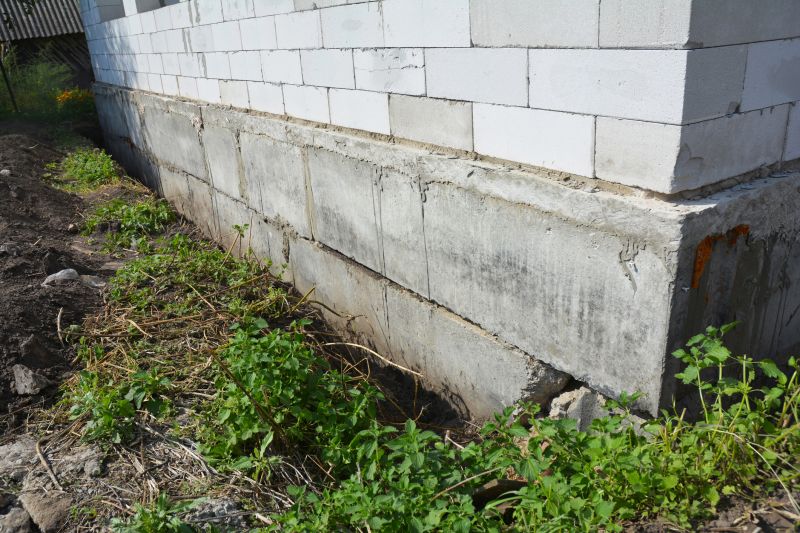 Foundation repairs are a critical aspect of maintaining the structural integrity of a building, especially in areas prone to soil movement or moisture fluctuations. When considering products for foundation repairs, it is essential to understand the variety of solutions available, each designed to address specific issues such as settling, cracking, or shifting. These products can range from simple stabilizers to complex underpinning systems, and selecting the right ones depends on the severity of the problem, the type of foundation, and the underlying soil conditions.
Top Overall Option
Concrete Pier and Underpinning System
A concrete pier and underpinning system provides a stable foundation support by transferring the load from the structure to a more stable soil layer below. This system is often used for significant settlement issues and offers a durable, long-lasting solution that can be customized to the specific needs of a property. Proper installation ensures improved stability and can help prevent further shifting or cracking, making it a reliable choice for many foundation repair projects.
Types of Products For Foundation Repairs
Push Piers
Push piers are driven into the soil beneath the foundation to provide support and lift the structure back to its original position.
Helical Piers
Helical piers are screwed into the ground and are suitable for areas with variable soil conditions, offering stability and load support.
Slab Jacking and Mudjacking
This method involves injecting a slurry beneath a concrete slab to lift and level it, often used for patios, driveways, and walkways.
Underpinning Systems
Underpinning involves extending the foundation depth or breadth to stabilize and strengthen the existing structure.
Soil Stabilization Products
These products improve soil compaction and reduce movement, helping to prevent future foundation issues.
Carbon Fiber Reinforcement
Carbon fiber strips are used to reinforce and stabilize cracked walls and foundation elements.
Epoxy Injection Kits
Epoxy injections fill and seal cracks, restoring structural integrity and preventing water intrusion.
Foundation Braces and Supports
Support braces are installed to reinforce weak or shifting foundation walls and prevent further movement.
Waterproofing Membranes
Waterproof membranes protect foundations from moisture infiltration, which can cause soil expansion and contraction.
Drainage Systems
Proper drainage solutions help control water around the foundation, reducing soil erosion and moisture-related issues.
Grout and Sealants
These materials are used to fill voids and cracks, providing additional support and preventing water ingress.
Foundation Repair Anchors
Anchors stabilize walls and prevent bowing or leaning caused by soil pressure.
Concrete Patching Products
Patching compounds repair surface cracks and minor damage on foundation surfaces.
Soil Stabilizers
Chemical or mechanical stabilizers enhance soil strength and reduce movement beneath the foundation.
Vibration and Compaction Equipment
Tools that compact soil and fill materials to ensure a stable base for foundation repair work.
Popular Choices
Widely used for supporting settling foundations, push piers are a common choice among professionals.
Popular for their ease of installation in various soil conditions, helix piers are frequently selected for residential repairs.
A common method for sealing cracks and restoring structural integrity in foundation walls.
Used to improve soil consistency and reduce future movement, these products are often recommended for ongoing stability.
Essential for moisture control, waterproof membranes are frequently applied in foundation repair projects.
Effective drainage systems are in high demand to manage water flow and prevent soil erosion around foundations.
Support braces are commonly used to reinforce bowing or leaning walls, providing immediate stabilization.
Popular for DIY projects, these kits allow homeowners to lift and level sunken slabs.
Used to compact soil and fill materials, ensuring a stable base for foundation repairs.
Widely used for sealing cracks and filling voids, these products help protect foundations from water damage.
Anchors are a common solution for stabilizing bowed or leaning basement walls.
Piles are used to extend the foundation depth, especially in challenging soil conditions.
These provide additional support for compromised foundation sections or floors.
Proper foundation repair products are engineered to provide stability and support, helping to prevent further damage and ensuring the safety of the structure. Many options are designed for DIY applications, while others require professional installation. It is important to evaluate the compatibility of each product with your specific foundation type and to consider the long-term durability of the solution. Consulting with a foundation specialist can help determine the most appropriate products for your needs.
In Vancouver, WA, where soil conditions and moisture levels can vary, choosing the right foundation repair products is particularly important. Moisture management, soil stabilization, and structural reinforcement are common concerns that these products address. Whether dealing with minor cracks or significant shifting, there are solutions tailored to different levels of repair, providing homeowners and contractors with a range of options to ensure safety and stability.
Investing in quality foundation repair products can help prolong the lifespan of a building and prevent costly future repairs. It is advisable to research thoroughly, consider professional advice, and select products that are compatible with local building codes and conditions. Proper application and maintenance of these products are equally important to achieve the desired results and maintain a safe, stable foundation over time.
Key Buying Considerations
- Assess the severity and type of foundation issue before selecting products.
- Determine whether professional installation is recommended or if DIY options are feasible.
- Verify compatibility of products with your foundation type (slab, crawl space, basement, etc.).
- Consider the long-term durability and material quality of the repair products.
- Ensure products meet local building codes and regulations in Vancouver, WA.
- Evaluate the soil conditions and moisture levels in your area to choose appropriate solutions.
- Review manufacturer instructions and warranty information for each product.
- Identify if additional supporting products (drainage, waterproofing) are needed for comprehensive repair.
- Factor in the accessibility of the repair site for equipment and materials.
- Think about the potential for future repairs and whether the selected products allow for easy upgrades.
- Check customer reviews and professional recommendations to gauge effectiveness.
- Budget considerations: balance cost with quality and longevity of the repair solutions.
- Consider environmental factors such as groundwater levels and soil type that influence product performance.
- Plan for proper maintenance and inspection post-repair to ensure lasting stability.